
Reducing Radiation Dose on CT: How IMR Technology Ensures Safety
Learn how modern IMR (Iterative Model Reconstruction) technology on Philips CT scanners reduces radiation dose by up to 80% while providing crystal clear images.
Read more →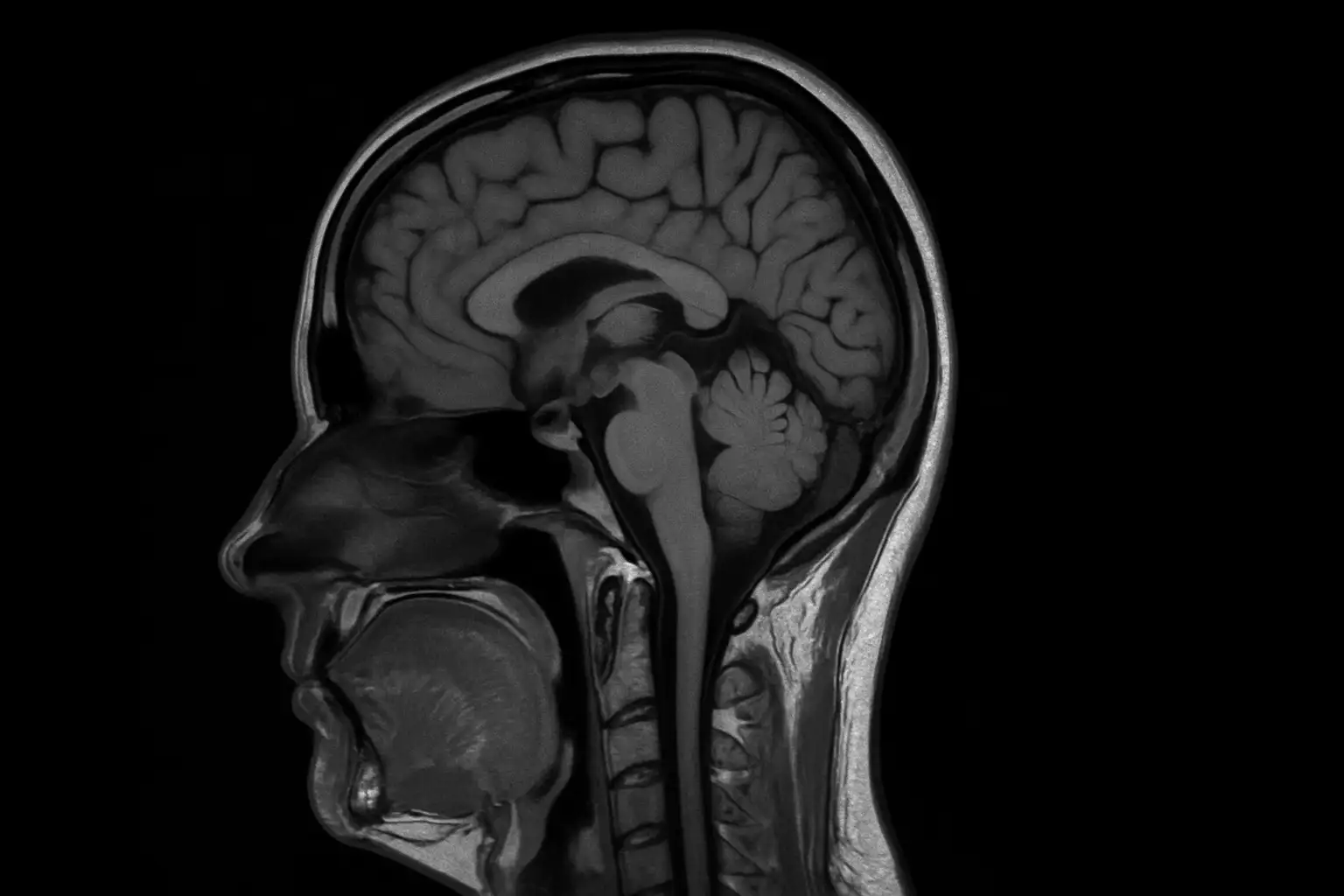
While both procedures use magnetic resonance technology to provide 3D images, they serve different diagnostic purposes. Brain MRI focuses on the tissue itself, while MRA (Magnetic Resonance Angiography) evaluates the vascular network.
| Feature | Brain MRI | MRA (Vessel MRI) |
|---|---|---|
| Primary Target | Brain tissue, cortex, pituitary gland | Arteries and veins |
| Detects | Tumors, MS, strokes, inflammation | Aneurysms, stenosis, malformations |
| Clinical Use | Neurological disorders | Circulation & stroke risk |
Absolute: Pacemakers, neurostimulators, ferromagnetic clips, or metal fragments in the body.
Relative: Severe claustrophobia, first trimester of pregnancy, and non-removable metal-containing tattoos.
All MRI procedures at Brigid Diagnostic Center are performed on advanced Philips and Esaote systems, ensuring maximum precision.

Online booking is preliminary. We will contact you to clarify details and confirm the appointment.
Your personal data is fully protected and not shared with third parties. Contact information is needed only for feedback and appointment scheduling.
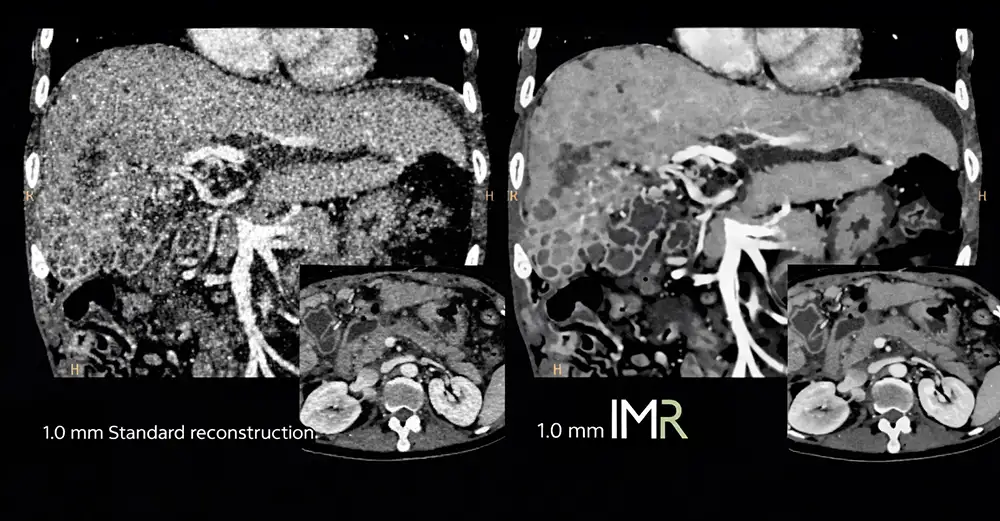
Learn how modern IMR (Iterative Model Reconstruction) technology on Philips CT scanners reduces radiation dose by up to 80% while providing crystal clear images.
Read more →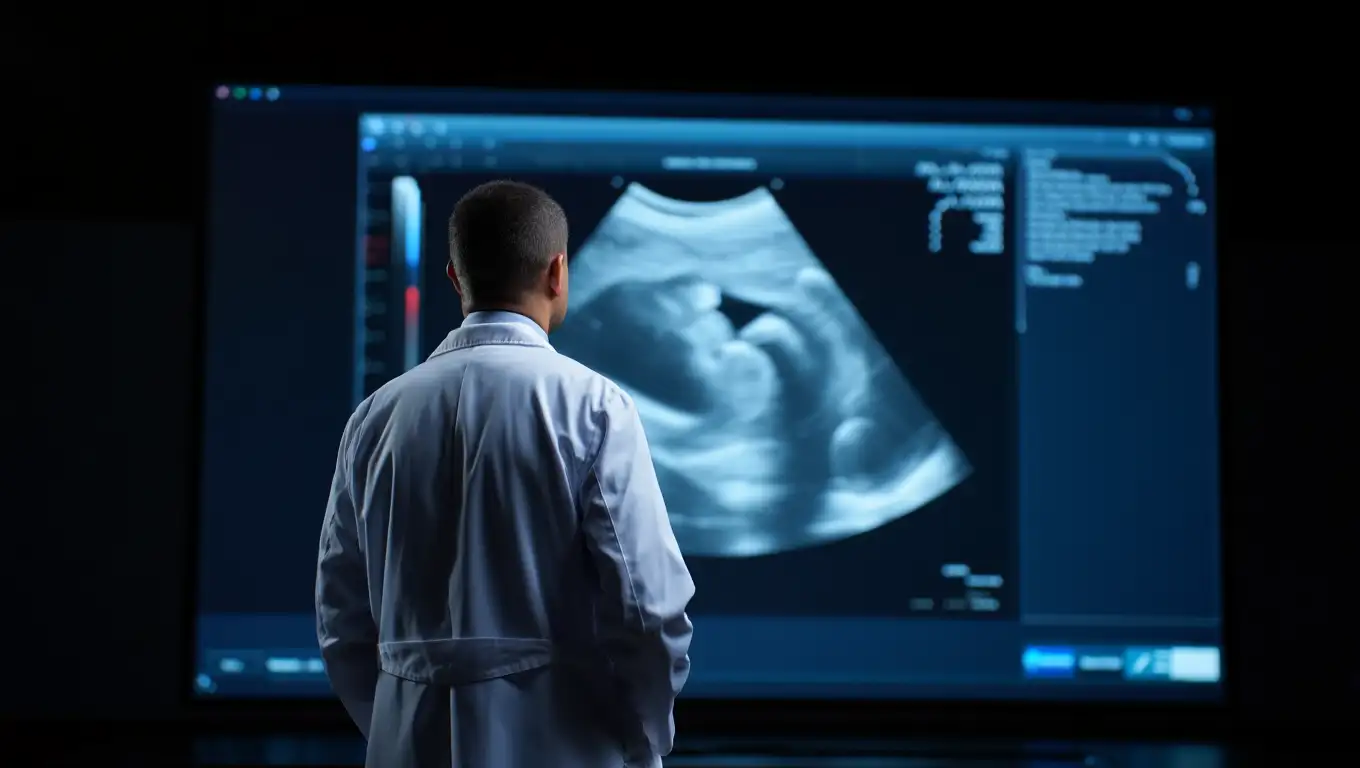
Ultrasound plays a vital role in early cancer detection. Learn which tumors can be identified at early stages, modern technologies used, and screening recommendations from Brigid Medical Center.
Read more →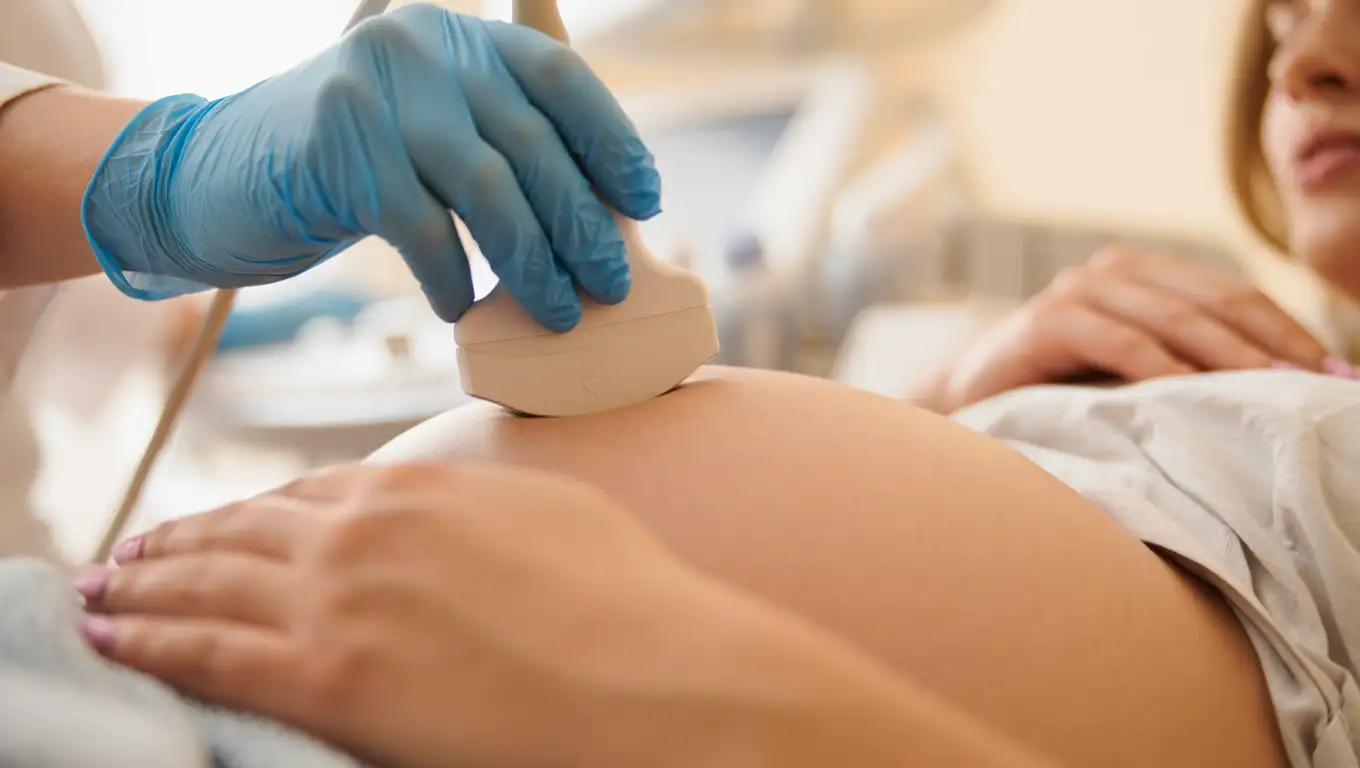
Is it safe to have frequent ultrasounds? We debunk myths about radiation, harm to the fetus, and tissue damage. Scientific facts and expert safety principles from Brigid Medical Center.
Read more →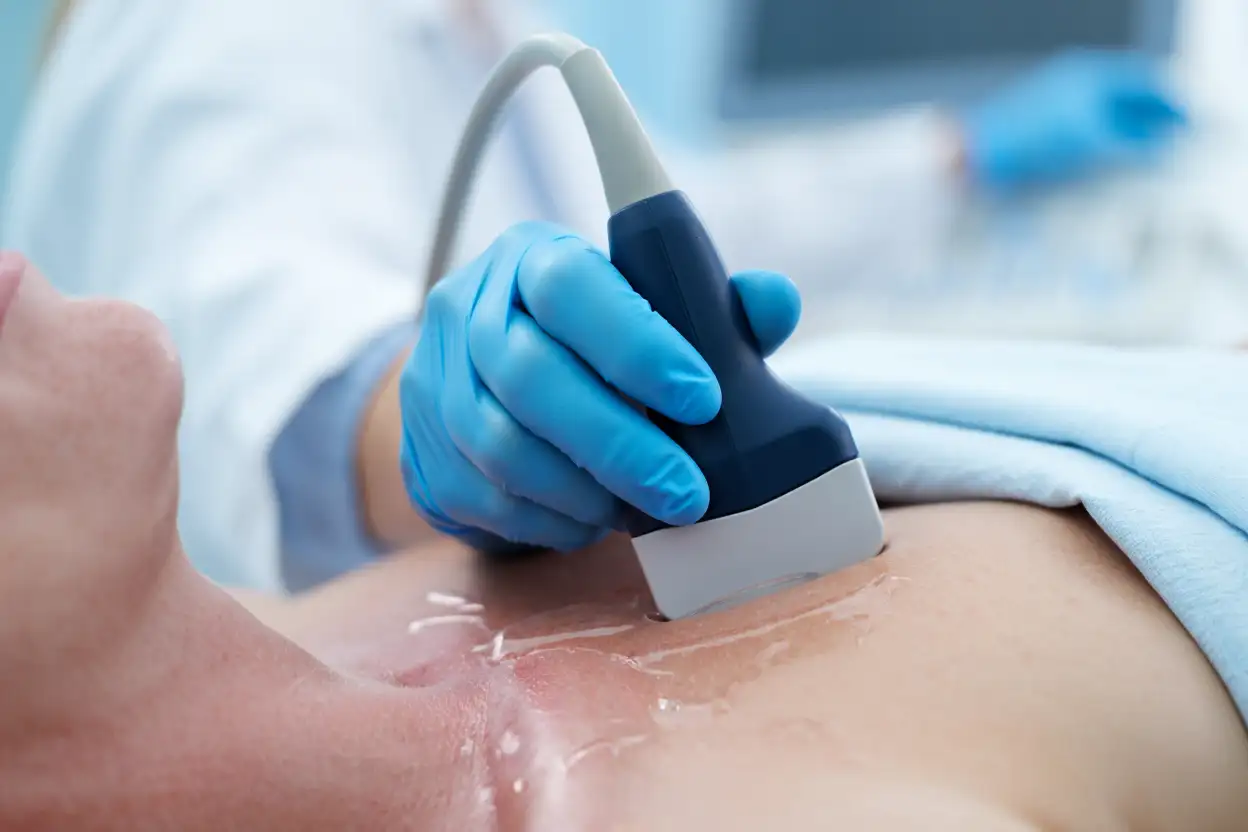
Echocardiography at Brigid Medical Center: a safe and accurate method for diagnosing heart conditions. Assessment of chamber size, contractility, and valves with expert analysis.
Read more →