
Ambulance vs Emergency Medical Care: What Is the Difference and When to Call?
Learn the difference between ambulance and emergency medical care and understand when each type of help is needed.
Read more →
Ultrasound (sonography) has become a medical standard for monitoring health. However, patients often ask: "Is it safe to have frequent ultrasounds?", "Does it harm tissues?", or "Are there long-term effects?". The specialists at Brigid Medical Center help debunk common myths with scientifically proven facts.
FACT: Ultrasound is NOT radiation. Unlike X-rays or CT scans, which use ionizing radiation, ultrasound uses high-frequency sound waves inaudible to humans. These waves reflect off tissues like an echo, similar to how dolphins navigate. There is zero radiation exposure.
FACT: The thermal effect is minimal and strictly regulated. Modern machines display safety indices: Thermal Index (TI) and Mechanical Index (MI). Doctors follow the ALARA principle (As Low As Reasonably Achievable), ensuring the minimum power necessary for a clear diagnosis.
Over the past 40 years, hundreds of large-scale studies involving hundreds of thousands of women have found no association between standard obstetric ultrasound and developmental abnormalities, childhood cancers, or neurological disorders.
FACT: Frequency is determined by medical necessity. For chronic conditions like kidney stones or thyroid nodules, monitoring every 3–6 months is a safe and vital practice to track disease dynamics and prevent complications.
At Brigid Medical Center, we use only certified expert-class systems and strictly follow international safety protocols. You can trust us with your health and the health of your loved ones.

Online booking is preliminary. We will contact you to clarify details and confirm the appointment.
Your personal data is fully protected and not shared with third parties. Contact information is needed only for feedback and appointment scheduling.

Learn the difference between ambulance and emergency medical care and understand when each type of help is needed.
Read more →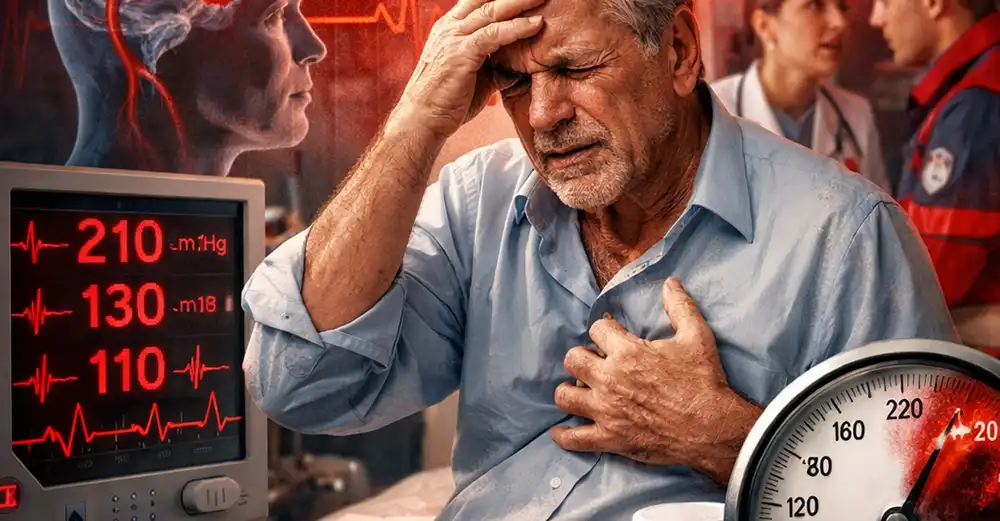
Learn to recognize a hypertensive crisis: symptoms, first aid rules, and what NOT to do. Emergency actions before the ambulance arrives.
Read more →
Hair loss during chemotherapy can be prevented. Scalp cooling technology at Brigid Center helps preserve 50-90% of hair, supporting self-esteem during treatment.
Read more →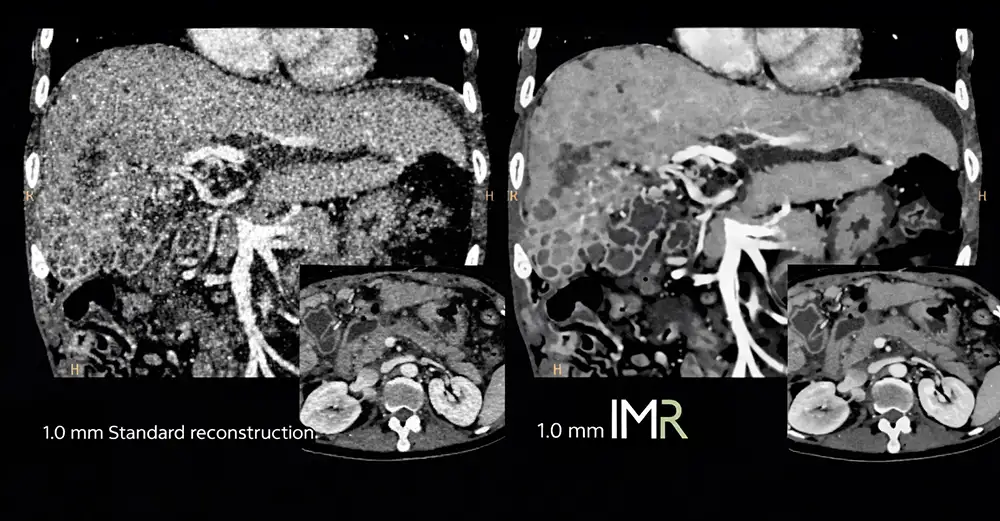
Learn how modern IMR (Iterative Model Reconstruction) technology on Philips CT scanners reduces radiation dose by up to 80% while providing crystal clear images.
Read more →