
Reducing Radiation Dose on CT: How IMR Technology Ensures Safety
Learn how modern IMR (Iterative Model Reconstruction) technology on Philips CT scanners reduces radiation dose by up to 80% while providing crystal clear images.
Read more →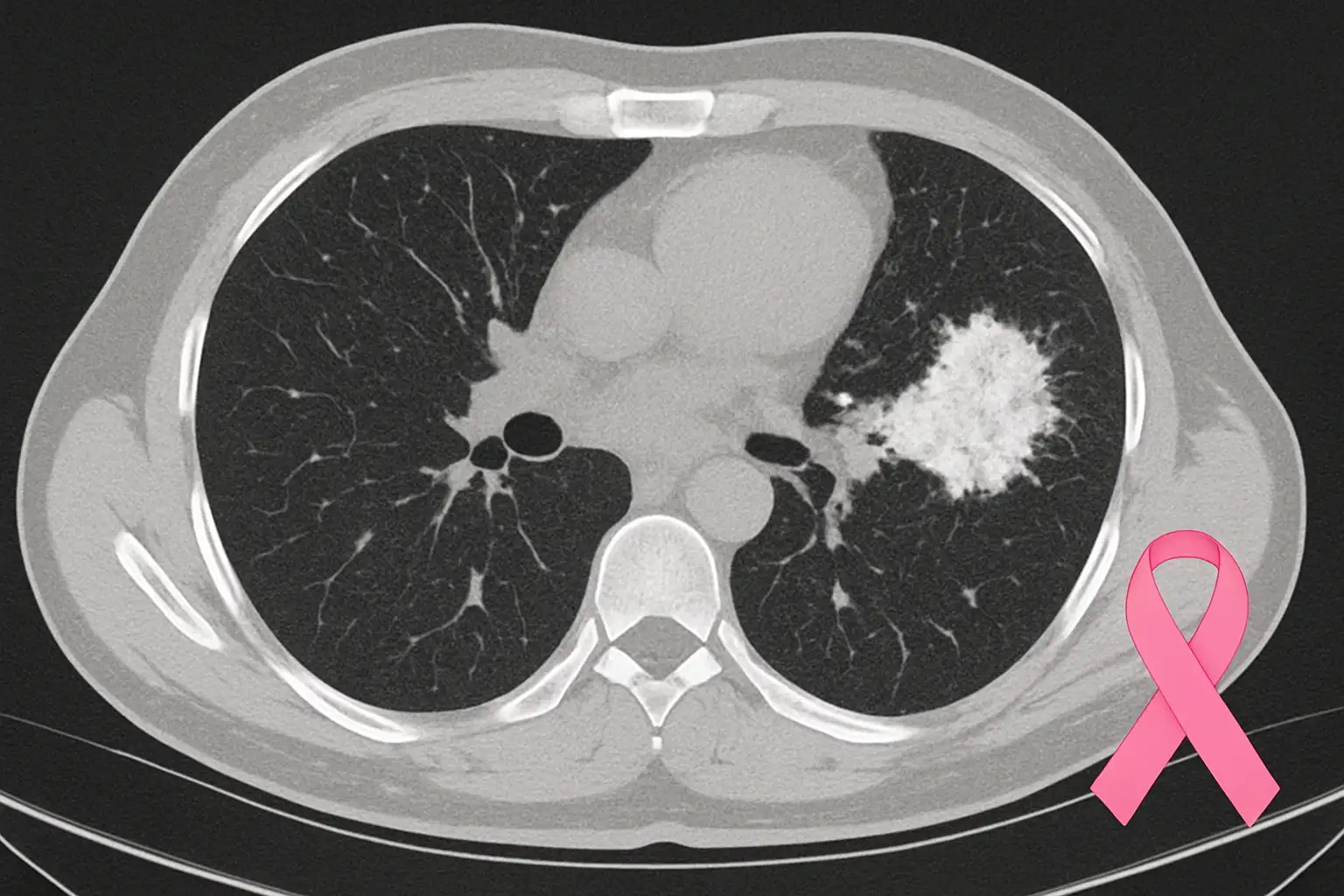
Early detection is the most powerful tool in the fight against cancer. Patient survival rates depend heavily on the stage at which the tumor is discovered. Computed Tomography (CT) is a cornerstone of oncology screening, allowing specialists to detect lesions as small as 1 mm.
Many tumors develop silently, showing symptoms only at advanced stages. CT imaging provides high-speed, high-precision visualization that helps clinicians:
Most oncological CT scans require an intravenous contrast agent. Malignant cells typically accumulate contrast faster than healthy tissue, making them stand out clearly on the images. The procedure usually scans the chest, abdomen, and pelvis to ensure no lesions are missed.
At Brigid Medical Center, we use latest-generation Philips scanners to provide precise oncology screening with the lowest possible radiation dose.

Online booking is preliminary. We will contact you to clarify details and confirm the appointment.
Your personal data is fully protected and not shared with third parties. Contact information is needed only for feedback and appointment scheduling.
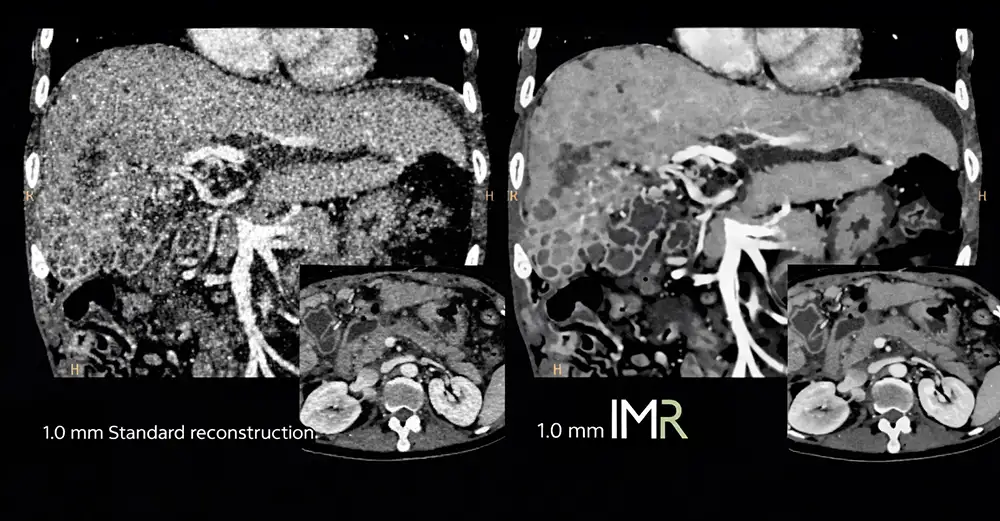
Learn how modern IMR (Iterative Model Reconstruction) technology on Philips CT scanners reduces radiation dose by up to 80% while providing crystal clear images.
Read more →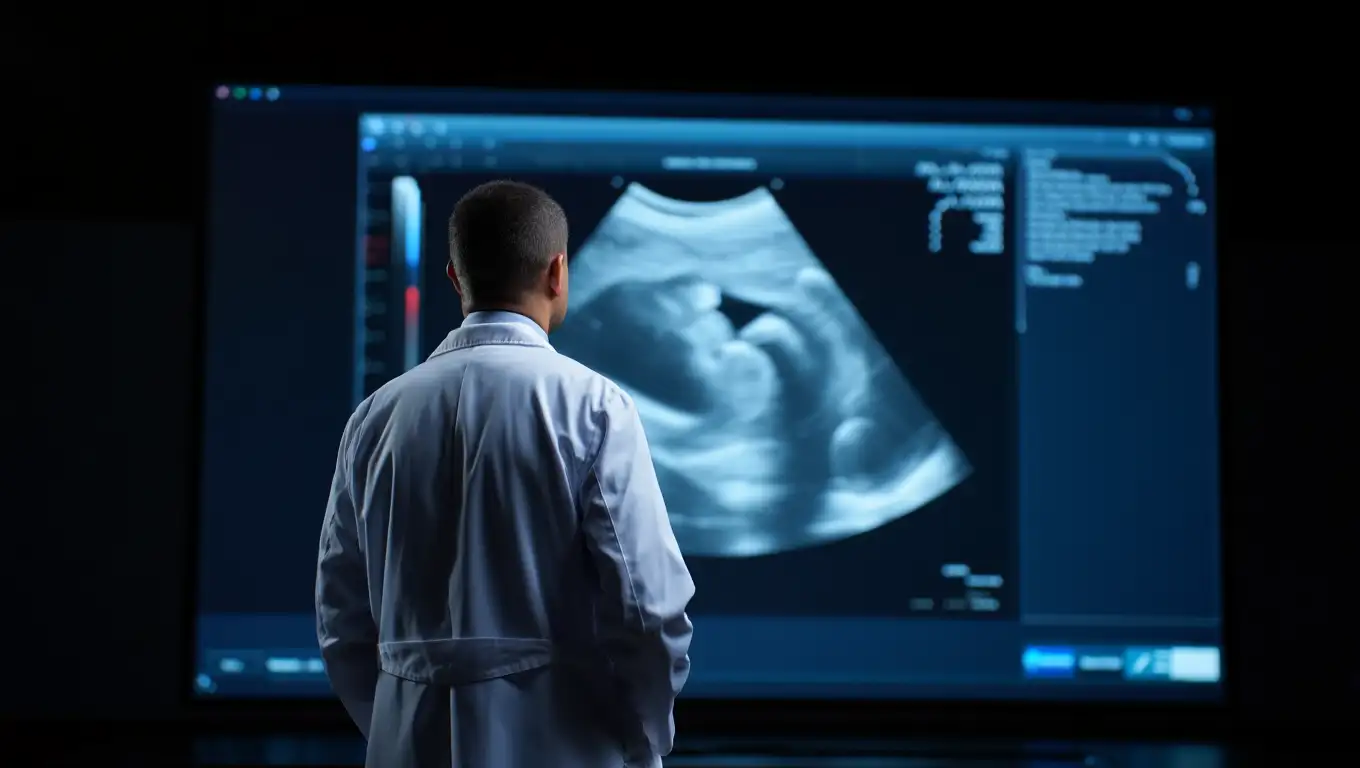
Ultrasound plays a vital role in early cancer detection. Learn which tumors can be identified at early stages, modern technologies used, and screening recommendations from Brigid Medical Center.
Read more →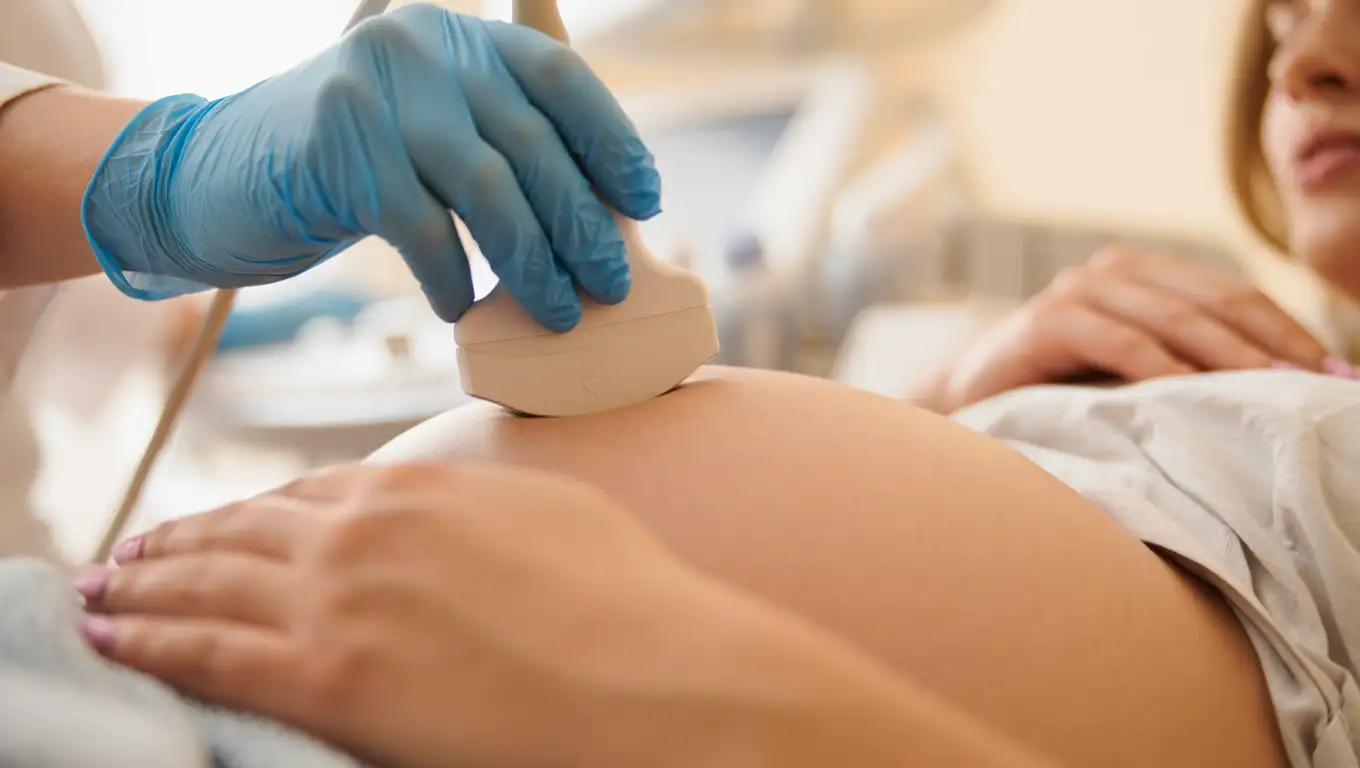
Is it safe to have frequent ultrasounds? We debunk myths about radiation, harm to the fetus, and tissue damage. Scientific facts and expert safety principles from Brigid Medical Center.
Read more →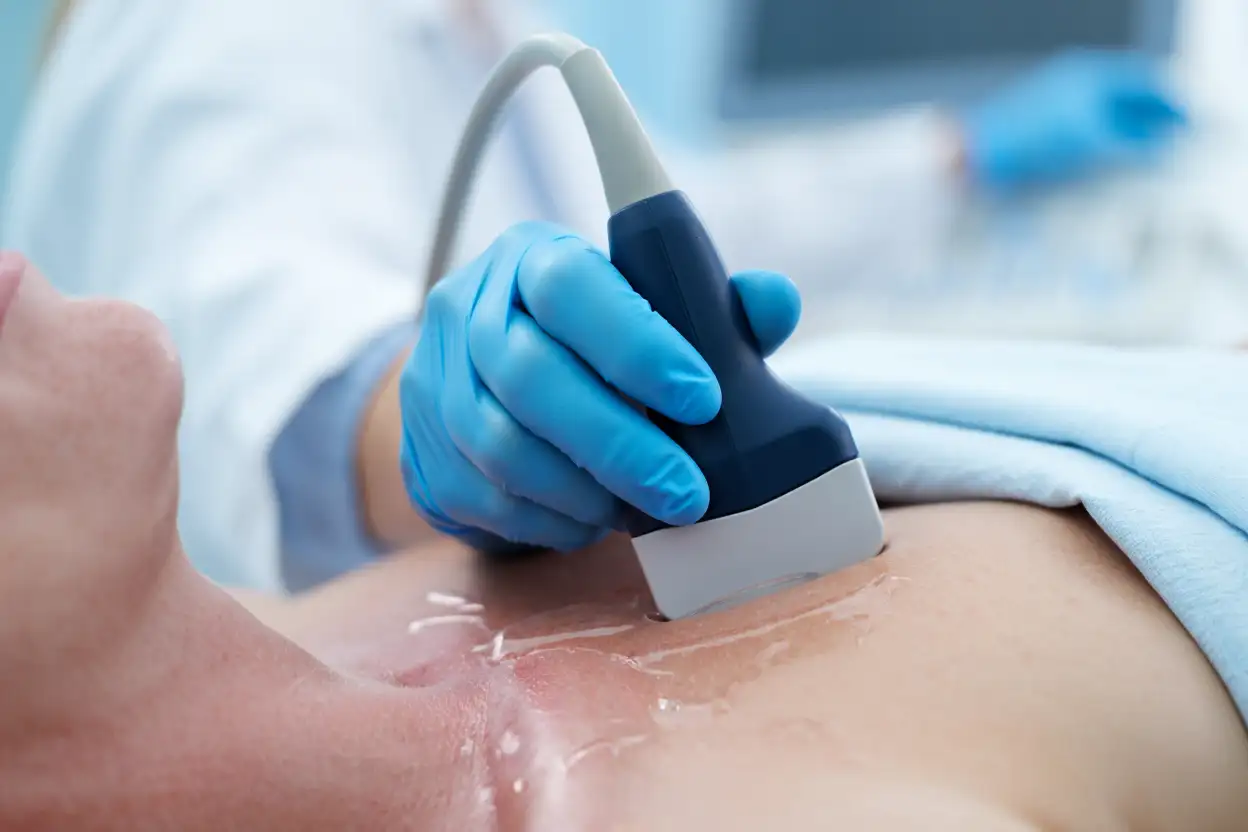
Echocardiography at Brigid Medical Center: a safe and accurate method for diagnosing heart conditions. Assessment of chamber size, contractility, and valves with expert analysis.
Read more →