
Reducing Radiation Dose on CT: How IMR Technology Ensures Safety
Learn how modern IMR (Iterative Model Reconstruction) technology on Philips CT scanners reduces radiation dose by up to 80% while providing crystal clear images.
Read more →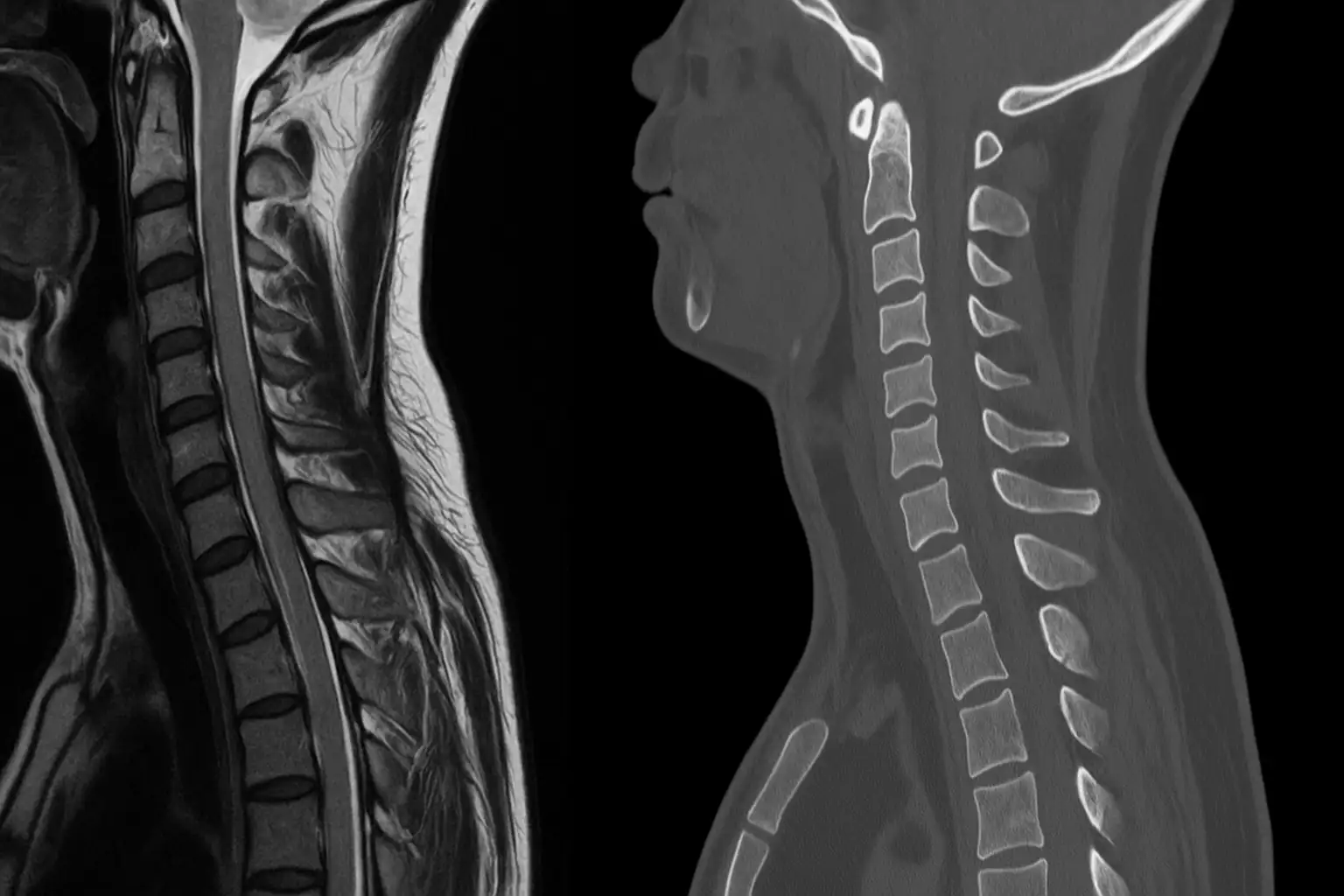
Choosing between CT and MRI often depends on the clinical goal. CT uses X-ray technology and is ideal for assessing bone structures, while MRI uses a strong magnetic field to provide superior visualization of soft tissues, discs, and the spinal cord.
Computed tomography provides high-resolution 3D views of the vertebrae.
MRI is the gold standard for evaluating everything inside and around the spinal column.
| Feature | CT Scan | MRI Scan |
|---|---|---|
| Best for | Bones, trauma | Soft tissue, nerves, discs |
| Radiation | X-ray dose | None |
| Duration | 5–10 minutes | 20–45 minutes |
| Metal implants | Usually safe | Requires screening |
At Brigid Diagnostic Center, we perform CT and MRI using high-precision Philips and Esaote systems, ensuring maximum safety and diagnostic accuracy.

Online booking is preliminary. We will contact you to clarify details and confirm the appointment.
Your personal data is fully protected and not shared with third parties. Contact information is needed only for feedback and appointment scheduling.
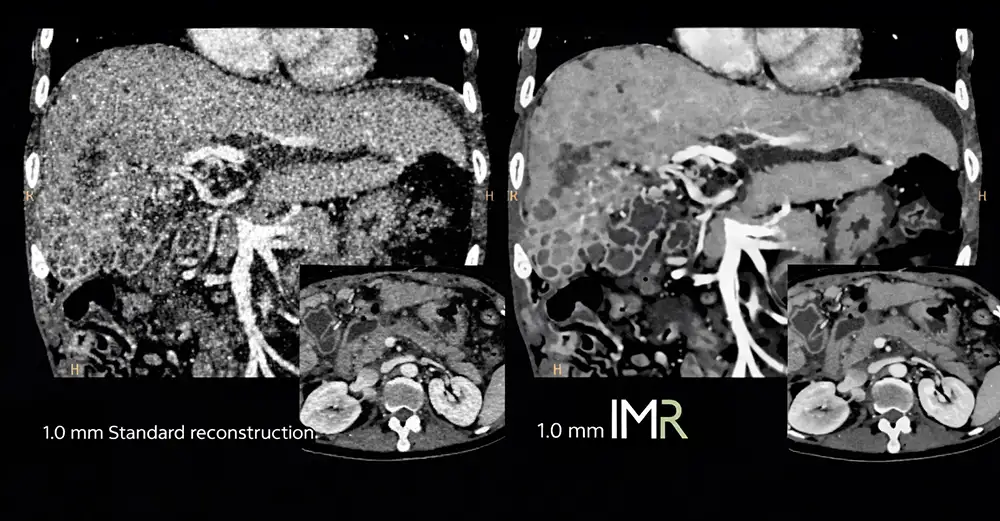
Learn how modern IMR (Iterative Model Reconstruction) technology on Philips CT scanners reduces radiation dose by up to 80% while providing crystal clear images.
Read more →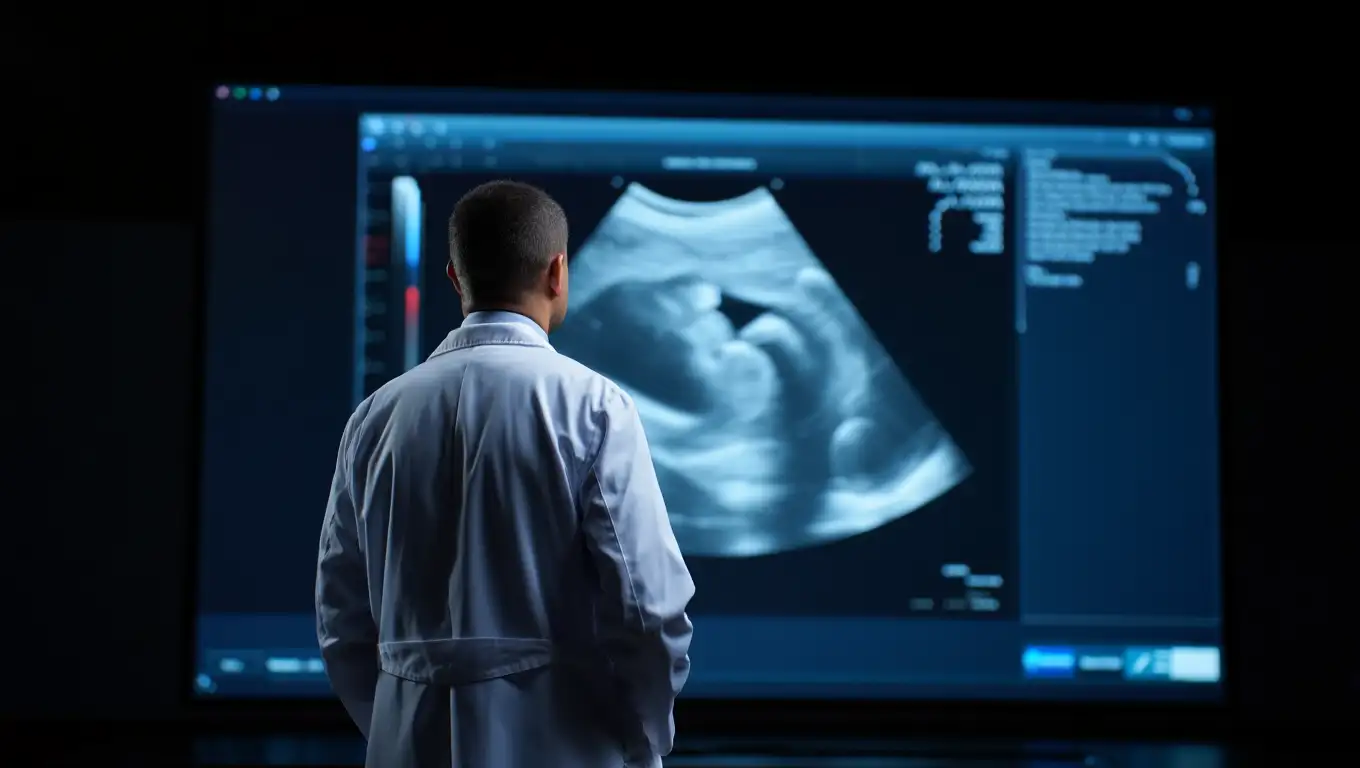
Ultrasound plays a vital role in early cancer detection. Learn which tumors can be identified at early stages, modern technologies used, and screening recommendations from Brigid Medical Center.
Read more →
Is it safe to have frequent ultrasounds? We debunk myths about radiation, harm to the fetus, and tissue damage. Scientific facts and expert safety principles from Brigid Medical Center.
Read more →
Echocardiography at Brigid Medical Center: a safe and accurate method for diagnosing heart conditions. Assessment of chamber size, contractility, and valves with expert analysis.
Read more →